
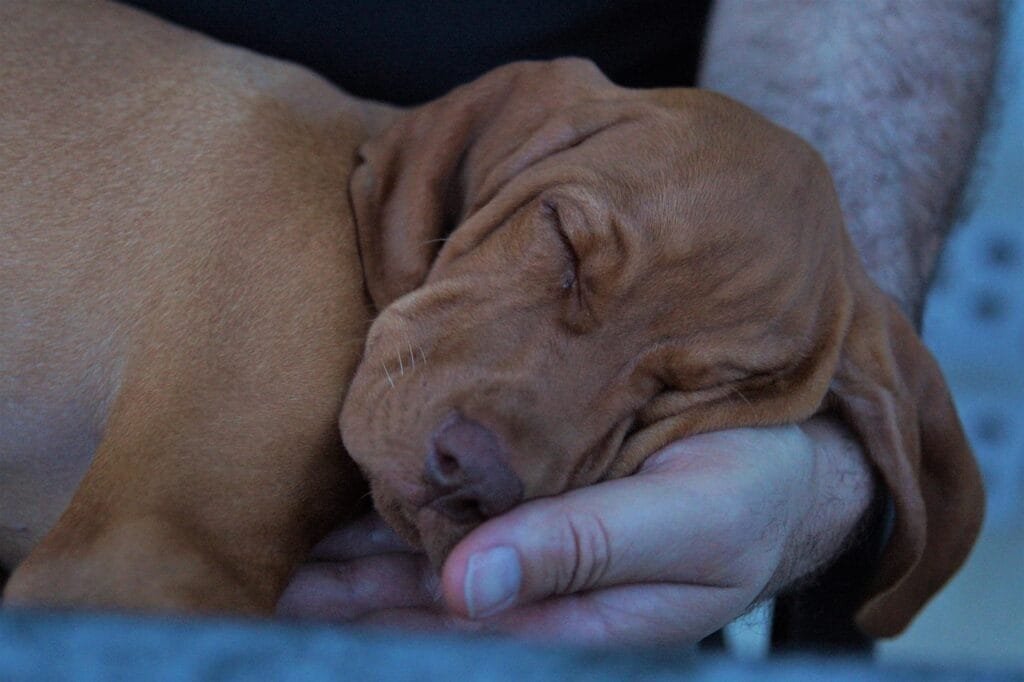
Do dogs dream? If you’ve ever watched your dog twitch, paddle their legs, softly bark, or whine while sleeping, you’ve likely wondered what is happening in their mind during those moments. The answer is yes—dogs are widely believed to experience dreams in a way that is surprisingly similar to humans.
Like people, dogs go through different stages of sleep, including a phase known as REM (Rapid Eye Movement) sleep. During REM sleep, the brain becomes highly active, and this is the stage most closely associated with dreaming. Studies of canine brain activity show patterns that resemble those seen in humans during dream states, suggesting that dogs may be mentally processing and replaying experiences while they rest.
This explains many of the small movements and sounds you notice in sleeping dogs. Their paws may twitch as if they are running, their eyes may move rapidly beneath closed lids, and they may even make quiet vocalizations as if reacting to something in their dream. These behaviors offer a fascinating glimpse into the inner world of dogs while they sleep.
Research suggests that dogs experience REM sleep and may dream about their daily activities. You can learn more about canine sleep and dreaming from the American Kennel Club.
The Science Behind Canine Dreaming: Do Dogs Dream During REM Sleep?
During REM sleep, a dog’s brain becomes highly active, showing patterns that closely resemble human dream states. This is the stage of sleep most strongly associated with dreaming. Scientists studying brain activity using EEGs (electroencephalograms) have found that dogs display brainwave patterns similar to those seen in humans during REM sleep. Alongside these neurological signals, dogs may also show physical signs such as rapid eye movements beneath closed lids, gentle twitching, or soft vocalizations like whines or barks.
What Do Dogs Dream About?
There are a few important things to understand about how dogs dream.
First, dogs do not sleep in long uninterrupted periods like humans. Instead, they cycle through multiple short naps throughout the day and night, which gives them several opportunities to enter REM sleep, the stage associated with dreaming.
Second, dogs may experience strong emotions during sleep, just as people do. When they wake up from dreaming, they may appear calm, slightly disoriented, or briefly alert before settling back into rest. This is a normal part of their sleep cycle.
Do Dogs Have Emotional Dreams?
Dreaming may also play an emotional role in a dog’s life. It is thought to help dogs process daily experiences, ease stress, and reinforce emotional bonds with their surroundings and loved ones. Many pet owners observe that their dogs appear more relaxed, balanced, and affectionate after a good rest. Interestingly, dreaming is not unique to dogs—other animals such as cats, rats, and even octopuses also show signs of REM sleep and dream-like brain activity, suggesting it may be a widespread biological process across species.
What You Should Know About Dogs’ Dreams
There are a few important things to understand about how dogs dream.
First, dogs sleep differently from people. They don’t usually sleep in one long stretch like we do. Instead, dogs take many shorter naps throughout the day and night.
Second, dogs feel strong emotions in their dreams. Just like humans can wake up feeling happy or shocked by a dream, dogs can also have strong feelings. But when dogs wake from a dream, they might be calm or sometimes a little confused, especially if the dream was frightening. It’s normal for a dog to suddenly perk up, bark softly, or make noises, and then relax again and go back to sleep.
How to Tell When Your Dog Is Dreaming
You can often recognize when your dog is in a dreaming state by subtle changes in their body language during sleep. Along with gentle movements, you may notice their breathing becoming uneven or brief muscle twitches in their legs or face.
If your dog appears to be experiencing an intense dream, it’s best not to wake them suddenly. A soft voice or gentle call of their name is usually enough to help them transition calmly out of sleep.
How to Support Your Dog’s Dream Life
Healthy sleep is important for your dog’s overall well-being and may contribute to more restful dreaming. To help your dog get the quality rest they need:
- Keep a consistent daily routine to reduce stress and promote relaxation.
- Provide regular exercise to help them burn energy and settle down more easily.
- Make sure your dog has a safe, secure environment where they can rest without interruption.
- Offer a cozy, quiet bed in a comfortable area away from excessive noise and distractions.
Final Thoughts
We may never know exactly what our dogs dream about, but science shows that they do dream. Their dreams probably reflect the love, play, and friendship they share with us every day. So, the next time your dog is sleeping quietly beside you, remember—they might be dreaming about you too.
Just as sleep helps dogs process their daily experiences, positive training sessions can help reinforce learning and build confidence. Learn more in our Dog Training Guide, where we explain how short, rewarding training sessions create a strong foundation for a happy, well-behaved companion.
Frequently Asked Questions
How do I know if my dog is dreaming during sleep?
Dogs show clear signs of dreaming during REM sleep. Look for twitching paws, flickering eyelids, soft barks, or gentle movements while they rest. These behaviors suggest your dog is mentally replaying daily experiences like playing, sniffing, or bonding with you.
What do dogs dream about when they sleep?
Dogs typically dream about familiar activities from their waking life—chasing balls , exploring the park, or spending time with loved ones. Their dreams reflect real sensations and emotions, helping them process memories and reinforce positive experiences.
Is it safe to wake a dog during a dream?
It’s best not to wake a dog abruptly during a vivid dream. If your dog seems restless or vocal, gently call their name or speak softly. Sudden waking can cause confusion or stress, especially if the dream was intense. Letting them sleep through it supports emotional well-being and healthy rest.