
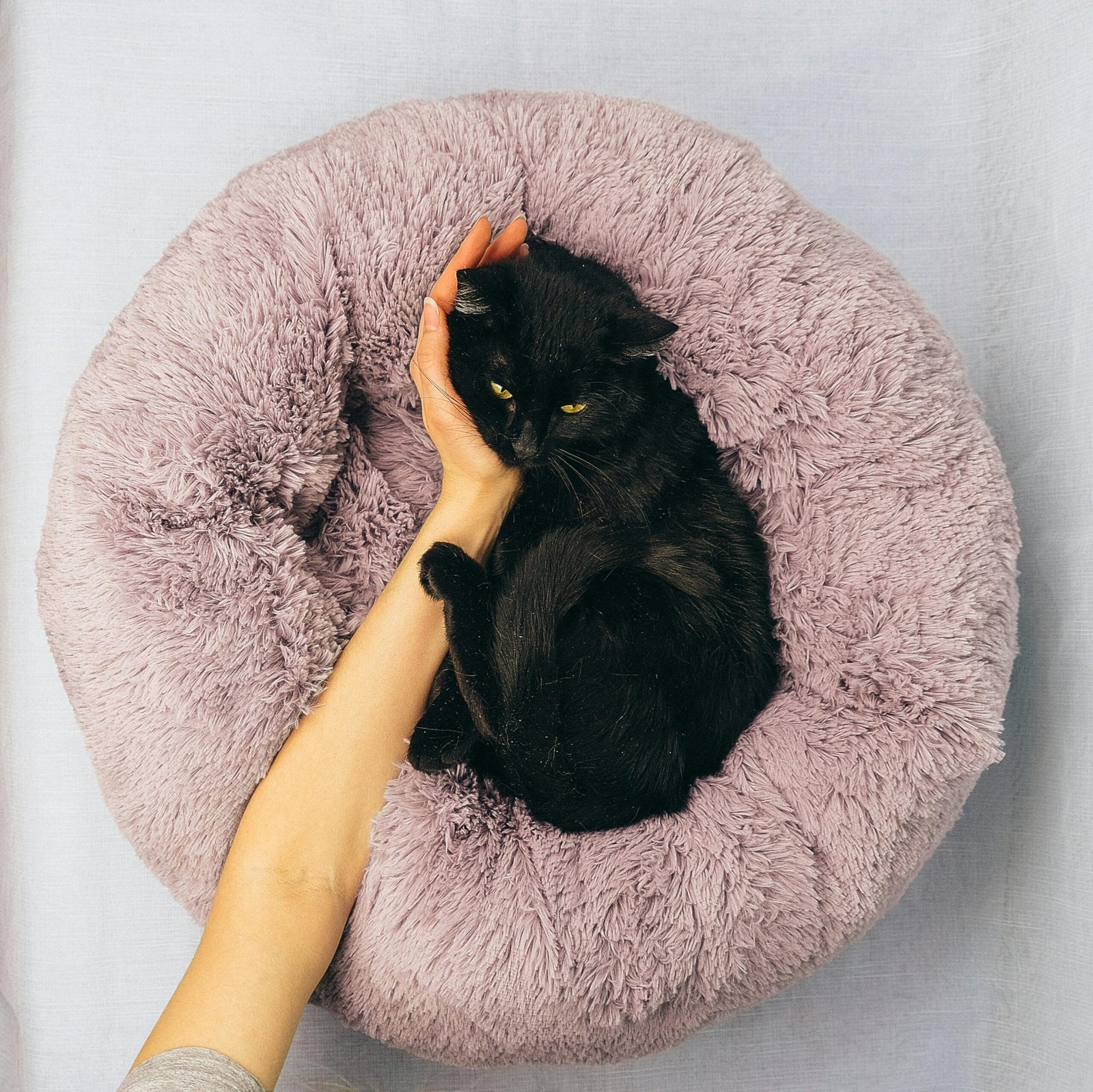
For thousands of years, humans have shared their homes with many animals, but few have adapted as seamlessly to life alongside people as the domestic cat (Felis catus). While dogs were selectively bred for specific roles such as guarding, herding, and hunting, cats followed a very different path—largely adapting to human environments on their own.
This unique evolutionary history explains why cats adapt to living with humans so well. Their behavior, independence, and natural instincts make them perfectly suited for modern homes. If you have ever wondered why your cat feels so comfortable lounging on the sofa or matching your daily routine, the answer lies in a combination of evolution, physiology, and social flexibility.
To learn more about how cats first formed a relationship with humans, see our complete guide to the history of cat domestication.
Additional scientific information about domestic cats can be found at the Encyclopedia Britannica.
How Cats Self-Domesticated and Adapted to Humans
Unlike dogs, whose ancestors were gradually adapted to human-led packs, cats began their relationship with humans as opportunistic neighbors rather than domesticated companions. When early human settlements started storing grain, they unintentionally created an ideal environment for rodents.
Wildcats—the ancestors of today’s domestic cats—were naturally drawn to these areas because the increasing rodent populations provided a reliable and abundant food source.
Over time, humans began to tolerate and even encourage their presence, as these cats proved to be effective pest controllers. The least fearful and most adaptable individuals were more likely to stay close to people, gaining access to food and shelter. This gradual process created a cooperative relationship in which cats did not need to fundamentally change their nature to survive alongside humans.
As a result, they retained their independence, strong hunting instincts, and largely solitary social behavior. Compared with dogs, cats remain far more self-sufficient and comfortable spending time alone, which makes them well suited to modern homes without requiring constant attention or high levels of social interaction.
Why Cats Are Ideal for Apartments and Small Homes
One of the main reasons cats are so easy to live with is their physical design and natural biology. Cats are a remarkable example of biological efficiency. As obligate carnivores, their metabolism is built for a high-protein diet consumed in small, regular meals, which naturally leads to simple and predictable feeding routines in a home environment.
Unlike dogs, which often require long walks or high levels of activity to manage energy and digestion, cats are crepuscular animals—meaning they are most active at dawn and dusk. This rhythm fits well with human lifestyles, as cats tend to sleep during working hours and become more active when their owners return home, ready for interaction, play, or rest.
In addition, their small size and agility allow them to make full use of vertical space. While larger pets need more floor area, cats can comfortably adapt to small homes or apartments by climbing shelves, resting on window ledges, or using cat trees.
This ability to use vertical space effectively makes them uniquely suited to modern living environments. By moving above ground-level activity, they create their own quiet, low-stress areas within the home, allowing them to feel secure and comfortable even in shared or compact spaces.
Litter Boxes and Grooming: Low-Maintenance Cat Care
If you have ever lived with a pet, you know the chores that accompany them. Cats are known for their strong grooming habits and are generally considered among the cleanest companion animals. They dedicate a significant portion of their waking hours to grooming, an instinctual behavior that keeps them healthy and odor-free.
More impressively, cats are biologically hardwired to use a litter box. Because their wild ancestors buried their waste to hide their scent from predators and rivals, house cats instinctively seek out loose, granular surfaces to do their business.
This inherent behavior saves us the trouble of “potty training” in the traditional sense; with a clean box provided, a kitten will almost always choose it over the carpet. This singular trait alone removes one of the most stressful aspects of animal companionship, making the day-to-day management of a cat’s needs simple, sanitary, and straightforward.
Cat Independence: Emotional Needs and Behavior
Living with a cat is often described as more of a partnership than a traditional owner–pet relationship. This balance is a major reason many people find cats so appealing. While dogs tend to offer constant, unconditional affection—which is wonderful—it can sometimes feel overwhelming for people who value quiet time or have busy lifestyles.
Cats, on the other hand, offer what many people see as “earned” affection. When a cat chooses to sit on your lap or stay close to you, it is a deliberate choice rather than a constant need for attention. They are also highly perceptive animals and can respond to human emotional cues, including tone of voice and body language. In many cases, cats will even provide comfort through behaviors like purring when they sense their owner is stressed or unwell.
Because cats are naturally solitary hunters, they are generally more independent and do not experience separation anxiety in the same way as highly social pack animals. While they do form strong bonds with their owners and can miss them, they are also comfortable spending time alone and keeping themselves entertained.
This independence means they do not require constant reassurance or continuous interaction to feel secure. For modern lifestyles, this makes cats especially well suited as companions—they offer warmth, companionship, and emotional presence without demanding constant attention or supervision.
Quiet Cat Companions: Low-Drama Pets for Busy Owners
In our modern, high-stress world, the auditory environment of our homes matters. We are constantly bombarded by digital noise, traffic, and alerts. A cat is an inherently quiet resident. Even their vocalizations are tailored specifically—feline experts note that adult cats primarily meow to communicate with humans, not with each other.
They have developed a unique, high-frequency “solicitation” meow that humans find difficult to ignore, which ensures their needs are met without them having to resort to barking or destructive behavior.
When they are not communicating, they are effectively silent, moving with a grace that rarely disturbs the peace of a household. This quietude extends to their personality; they are not prone to “explosive” emotional outbursts. They navigate conflict by retreating or disengaging, which is a highly effective, low-drama strategy for a roommate.
Final Thoughts
You can learn more about feline behavior in our Cat Behavior Guide, where we explain common cat actions and instincts in detail.
Ultimately, cats are easy to live with because they respect the boundaries of the home while simultaneously enriching it. They ask for very little—a corner to sleep in, a handful of food, a clean box, and an occasional chin scratch—and in return, they provide a sense of grounded tranquility.
By observing their calm, fastidious, and self-sufficient nature, we learn a lesson in balance: to be present in our environment without needing to dominate it.
Whether you are a busy student, working remotely, or a retiree looking for a calm and steady companion, cats often fit well into many different lifestyles thanks to their adaptable nature and relatively low care needs. They have spent thousands of years observing us from the shadows, and in that time, they have learned exactly how to be the perfect housemate for the humans they have chosen to keep.
Living with a cat isn’t just about owning a pet; it is about sharing your life with a creature that values comfort, cleanliness, and, above all, the quiet joy of being together.
Frequently Asked Questions
Are cats easy to care for?
Yes, cats are generally easy to care for. They spend a lot of time grooming themselves, which helps keep them clean. Most cats also learn to use a litter box naturally, making house training simple for owners.
Can cats live in small homes or apartments?
Absolutely. Cats adapt well to different living spaces, including apartments and small homes. They enjoy climbing and resting in high places, so a cat tree, shelf, or windowsill can help them feel comfortable even in a limited space.
Do cats need constant attention?
No. Cats are known for being independent animals. While they enjoy spending time with their owners, they can also entertain themselves and relax on their own. This makes them a good choice for people with busy schedules.
Are cats affectionate?
Many cats form strong bonds with their owners and show affection in different ways. They may purr, sit beside you, rub against your legs, or curl up on your lap. Each cat has its own personality, but many enjoy companionship and attention.
Why do so many people enjoy living with cats?
Cats offer a unique combination of companionship and independence. They are relatively low-maintenance, naturally clean, and often adapt well to different lifestyles. For many people, cats provide comfort, entertainment, and a calm presence in the home.